How to Manage Debt Responsibly in Namibia:
10 Practical Strategies
Posted on 21st September 2026 | Financial Tips
Learn how to manage debt responsibly in Namibia with practical strategies for budgeting, prioritising repayments, avoiding unnecessary borrowing and improving financial stability.
How to Manage Debt Responsibly in Namibia: 10 Practical Strategies
Having debt doesn’t necessarily mean that you’ve failed financially.
For many people, borrowing can become part of life at different stages. A loan may help cover an important expense, manage an emergency or deal with a financial need that cannot be handled from available cash.
The challenge begins when debt becomes difficult to manage.
Perhaps several repayments are happening at the same time. Maybe unexpected expenses keep appearing. Or perhaps you find yourself borrowing again before you’ve finished repaying an earlier commitment.
When this happens, it can feel as though you’re constantly trying to catch up.
The good news is that managing debt is not simply about earning more money. It also involves understanding what you owe, creating a realistic plan and making deliberate financial decisions.
In this guide, we’ll look at 10 practical strategies for managing debt responsibly in Namibia, whether you currently have one financial commitment or several.
What Does Responsible Debt Management Mean?
Responsible debt management means understanding your financial obligations and making a realistic plan to meet them.
It involves knowing:
- How much you owe
- Who you owe
- How much you repay each month
- When payments are due
- What the total cost of each commitment is
- How those payments affect your monthly budget
It also means avoiding unnecessary borrowing when your existing financial commitments are already difficult to manage.
The goal isn’t necessarily to eliminate every financial commitment immediately.
The goal is to bring your debt under control and make informed decisions about future borrowing.
1. Know Exactly What You Owe
You can’t effectively manage debt if you don’t know what you’re dealing with.
Start by making a list of all your current financial commitments.
For each one, record:
| Information | Example |
|---|---|
| Provider | Lender or creditor |
| Outstanding amount | Amount still owed |
| Monthly repayment | Amount paid each month |
| Due date | When payment is required |
| Remaining term | How long remains |
| Total cost | According to the agreement |
You don’t need sophisticated software.
A notebook, spreadsheet or simple document can work.
The important thing is to get everything out of your head and onto paper.
Once you can see the complete picture, planning becomes much easier.
2. Create a Realistic Monthly Budget
Your debt repayments need to fit into your overall financial picture.
This is why budgeting and debt management are closely connected.
If you haven’t already created a budget, read:
“How to Create a Monthly Budget That Actually Works in Namibia.”
Your budget should include:
- Income
- Housing
- Food
- Transport
- Utilities
- School-related expenses
- Existing debt repayments
- Savings
- Other regular commitments
Once everything is listed, you can see how much money remains after your essential expenses and financial commitments.
3. Prioritise Your Financial Commitments
Not every debt is identical.
Different financial commitments may have different:
- Interest or finance charges
- Repayment schedules
- Consequences for missed payments
- Outstanding balances
Review each agreement carefully and understand its terms.
If you’re managing multiple debts, you can create a repayment strategy that fits your circumstances.
Two commonly discussed approaches are:
Paying the smallest balance first
This can help create visible progress and may provide motivation as individual balances are cleared.
Prioritising the highest-cost debt
This focuses additional repayment on the debt with the highest applicable interest or finance charges.
Neither approach should be treated as a universal rule.
The important thing is to understand your agreements and choose a repayment approach that you can realistically maintain.
4. Never Ignore Your Repayment Dates
Missing a payment can create additional financial pressure.
Make repayment dates part of your monthly routine.
You could use:
- Calendar reminders
- Phone notifications
- A written planner
- Banking reminders
- A monthly financial checklist
Knowing when payments are due makes it easier to prepare for them.
5. Avoid Taking New Debt to Pay for Unnecessary Spending
When money is tight, borrowing can sometimes feel like the quickest solution.
But before taking on another financial commitment, ask yourself:
What problem am I actually trying to solve?
If you’re borrowing for an essential emergency, the situation is different from borrowing simply to maintain a lifestyle that your current income cannot support.
Before applying for additional credit, consider:
- Is the expense necessary?
- Can it wait?
- Can I reduce the cost?
- Do I have savings available?
- Can I adjust my budget?
- Can the expense be handled another way?
These questions can help prevent unnecessary borrowing.
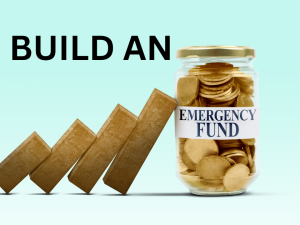
6. Build an Emergency Fund
Debt management becomes more difficult when every unexpected expense has to be financed through borrowing.
That’s why emergency savings are important.
Even a small emergency fund can provide a buffer against unexpected expenses.
If you haven’t started one yet, read:
“How to Build an Emergency Fund in Namibia: A Simple Step-by-Step Guide.”
You don’t necessarily need to wait until your debt is completely paid off before beginning to save.
Depending on your circumstances, building a small emergency buffer while continuing to meet your existing obligations may help reduce your reliance on additional borrowing when something unexpected happens.
7. Contact Your Lender if You Are Struggling
One of the worst things you can do when you’re experiencing financial difficulty is simply ignore the problem.
If you believe you may struggle to meet a repayment, contact the relevant provider and ask what options or procedures are available.
Don’t wait until the situation becomes significantly worse if you can communicate earlier.
Keep records of important communications and make sure you understand any arrangement that is agreed.
8. Be Careful About Borrowing to Cover Another Debt
This deserves particular attention.
If you already have debt and are considering taking out another loan to pay an existing commitment, stop and examine the entire situation first.
Ask:
- Why can’t I meet the existing repayment?
- Will the new borrowing reduce my overall financial pressure?
- What will the new borrowing cost?
- Will I now have two repayment obligations?
- Is there another solution?
- Can I adjust my budget instead?
Sometimes refinancing or restructuring may have a legitimate purpose, but borrowing simply to keep borrowing going can create a cycle that becomes increasingly difficult to manage.
Understand the full cost and repayment obligations before making such a decision.
9. Reduce Unnecessary Expenses
When you’re trying to manage debt, every month matters.
Look through your spending and identify areas that can realistically be reduced.
Consider:
- Eating out
- Entertainment
- Unused subscriptions
- Impulse purchases
- Unnecessary shopping
- Convenience expenses
This doesn’t mean you have to eliminate every enjoyable activity.
Instead, temporarily redirecting some discretionary spending toward debt repayment can accelerate progress.
For example:
If you find N$300 per month that can realistically be redirected toward debt, that’s:
N$300 × 12 = N$3,600
over a year, before considering any applicable interest or charges.
Small changes can accumulate.
10. Don't Forget to Build Your Financial Future
Debt repayment is important, but your financial plan shouldn’t stop there.
As your financial situation improves, consider working toward:
- Emergency savings
- Long-term savings
- Retirement planning
- Education costs
- Family financial goals
- Other future needs
The objective is to move from simply surviving each month toward becoming increasingly financially prepared.
What If Your Debt Feels Overwhelming?
Sometimes the numbers can feel so complicated that you don’t know where to start.
Start with one step.
Write everything down.
Then ask:
What do I owe?
What do I earn?
What are my essential expenses?
What are my current repayments?
Where can I make realistic adjustments?
You don’t have to solve your entire financial situation in one afternoon.
You need to understand it first.
Once you understand it, you can begin creating a plan.
Debt Management Is About More Than Cutting Expenses
It’s easy to think debt management simply means:
“Spend less.”
But effective financial management is broader than that.
It can involve:
Increasing income
Where possible, additional income can provide more room in the budget.
Reducing unnecessary expenses
Small recurring savings can create additional capacity.
Building savings
Savings can reduce the need for borrowing when unexpected expenses arise.
Planning ahead
Preparing for predictable expenses prevents them from becoming financial emergencies.
Understanding borrowing
Knowing the full cost and repayment obligations of a financial product allows you to make more informed decisions.
What If You Need Financial Assistance While Managing Debt?
Sometimes an unexpected financial need occurs while you already have existing commitments.
This is where careful decision-making becomes especially important.
Before considering additional borrowing, assess:
- Your current income
- Existing repayments
- The new repayment amount
- The total cost of the new borrowing
- Whether the expense is genuinely necessary
- Whether another solution is available
Don’t assume that because you can apply for a financial product, taking it is automatically the right solution.
The repayment needs to fit into your broader financial circumstances.
If you’re considering a short-term loan, our guide “Top Reasons People Apply for Short-Term Loans in Namibia (And When It Makes Sense)” provides additional information to consider.
Understanding the Difference Between Good and Bad Debt
People sometimes describe debt as either “good” or “bad.”
The reality can be more complicated.
The same type of borrowing can have very different consequences depending on:
- Why it was taken
- How much was borrowed
- The cost of borrowing
- The repayment terms
- The borrower’s financial position
- Whether repayments remain affordable
Instead of simply asking:
“Is debt good or bad?”
a more useful question is:
“Is this particular financial commitment affordable, necessary and understood?”
That question encourages more thoughtful financial decisions.
Don't Borrow Without Understanding the Cost
Before entering into a financial agreement, make sure you understand what you’re agreeing to.
Look at:
- Interest or finance charges
- Fees
- Repayment amount
- Number of repayments
- Payment dates
- Total amount repayable
- Consequences of missed payments
If something isn’t clear, ask questions before agreeing.
Our article “What Do You Need to Qualify for a Cash Loan in Namibia?” explains some of the information commonly involved in the application process.
Create a Debt-Free Goal
It can be motivating to give yourself a clear financial objective.
For example:
“By this time next year, I want to have reduced my outstanding debt by a specific amount.”
Your target should be realistic.
You can then break it into smaller monthly steps.
Instead of looking at the entire amount and feeling overwhelmed, focus on what you can do this month.
Celebrate Progress—But Stay Disciplined
Financial progress isn’t always dramatic.
Sometimes it’s:
- Making every repayment on time
- Paying an additional N$200
- Cancelling an unnecessary expense
- Saving your first N$500
- Paying off one small balance
- Going one month without taking on additional unnecessary debt
These are meaningful steps.
The important thing is to keep moving in the direction of greater financial stability.
Why Financial Education Matters
At Silverline Financial Solutions, we believe that responsible financial decisions start with understanding.
People should understand:
- What they’re borrowing
- Why they’re borrowing
- What the repayment will be
- How it fits into their budget
- What alternatives may exist
A financial product should never be viewed in isolation from the person’s overall financial situation.
That is why financial education is an important part of building long-term financial wellbeing.
Here are some Frequently Asked Questions
How can I start managing my debt?
Start by listing every financial commitment you have, including the outstanding amount, repayment, due date and other relevant terms. Then compare those obligations with your monthly income and expenses.
Should I pay off debt or save money first?
Your circumstances matter. It can be useful to meet existing repayment obligations while also building at least a modest emergency buffer so that every unexpected expense doesn’t automatically require new borrowing.
Should I take a new loan to pay an existing loan?
Don’t assume that this is automatically beneficial. Compare the full costs, repayment obligations and alternatives before making a decision.
What should I do if I can't afford a repayment?
Contact the relevant lender or creditor as early as possible and ask what procedures or options are available. Ignoring the situation generally doesn’t make it disappear.
How can I stop getting into more debt?
Start by understanding why you’re repeatedly borrowing. Review your budget, reduce avoidable spending, build emergency savings where possible and carefully assess whether new borrowing is necessary and affordable.
How long does it take to become debt-free?
There is no single answer. It depends on the amount owed, income, repayments, interest or finance charges and the strategy used. Focus on creating a realistic plan that you can consistently follow.
Final Thoughts
Managing debt isn’t about pretending financial challenges don’t exist.
It’s about facing them honestly.
Know what you owe. Know what you earn. Understand your commitments.
Create a realistic budget. Build an emergency fund.
Avoid unnecessary new borrowing.
And if you find yourself struggling, communicate early rather than ignoring the problem.
You may not be able to change your entire financial situation overnight.
But you can make one better financial decision today.
And then another one tomorrow.
Over time, those decisions can make a meaningful difference.
✅ Need Financial Assistance?
Sometimes an unexpected expense arises even when you’re already managing your finances carefully.
If you have considered your options and believe financial assistance may be appropriate for your situation, you can complete our online loan application to begin the process.
If you have questions before applying, contact our team today for more information.